
Windows
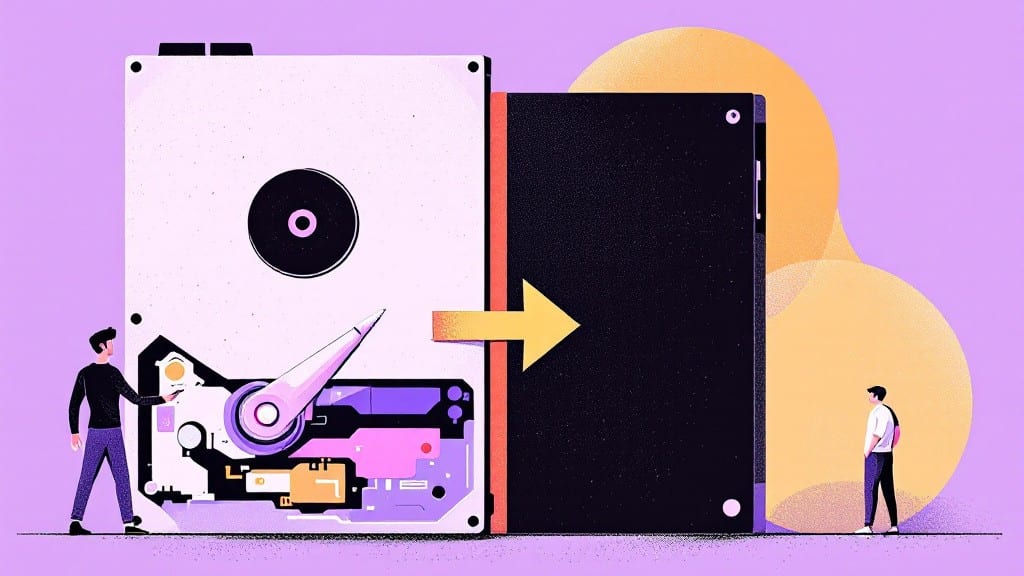
You should delete all partitions when installing Windows 10 only for a complete system refresh, as this wipes every file and converts your drive to one clean unallocated space. But this approach destroys all data permanently, so only do it if you've backed up everything first—or if you're troubleshooting severe system corruption where nothing else works.
This extreme method isn't for everyone—it's what I recommend when clients describe a system that's completely unresponsive or infected with malware that won't budge. 🔥 The tradeoff is dramatic: you get a perfectly clean slate, but you lose every file, program, and setting unless you've backed them up first.
For most users, I suggest keeping your existing partitions unless you specifically need to repartition the drive afterward for a different setup, like dual-booting or creating separate data volumes.
What's interesting is how Windows handles this differently depending on your BIOS mode. In UEFI systems, the installer will automatically create new partitions for Windows, while Legacy BIOS systems require manual intervention.
This is why I always check the boot mode first—it changes how you should approach the partition deletion process entirely.
💡 In This Article
- How Partition Deletion Affects Windows 10 Installation
- Safe Alternatives to Full Partition Wipes for Windows 10
How partition deletion affects Windows 10 installation
When you choose to delete all partitions during a Windows 10 installation, the setup process essentially performs a low-level format on your disk.
This means every sector—where your files, system files, and even hidden data reside—gets overwritten with zeros, creating a single unallocated space that Windows can then partition as needed. The technical term for this is "disk sanitization," and it's what gives you that completely clean slate.
However, this process doesn't just erase data—it also wipes out the disk's partition table, which is the roadmap telling Windows where to find your operating system, recovery files, and other critical components. 🔥
The impact varies dramatically between UEFI and Legacy BIOS systems. In UEFI mode, Windows automatically creates a new EFI System Partition (ESP) (typically 100-500MB), a Microsoft Reserved Partition (MSR) (16MB), and your main system partition.
The ESP stores boot files, while the MSR ensures proper alignment for modern SSDs. Legacy BIOS systems, however, lack these automatic protections and require manual partition creation, which can lead to misalignment if not configured correctly—especially problematic for SSDs where 4K-alignment is critical for performance.
Here's what most people don't realize: deleting partitions doesn't just affect your operating system—it also disrupts hardware compatibility layers. Many modern systems rely on pre-installed drivers stored in hidden partitions (like the Recovery Partition or OEM Partition).
When you wipe everything, you might accidentally remove drivers for your Wi-Fi card, graphics adapter, or even your motherboard's chipset. This is why some users experience blue screens or missing device drivers immediately after installation, even though the system appears to work at first glance. 💫
Another critical factor is how Windows handles dynamic disks versus basic disks. If your system was using dynamic volumes (common in older Windows setups), the partition deletion process can fail entirely, leaving you with an unbootable system.
This happens because dynamic disks use a different volume management system that Windows Setup doesn't automatically recognize during installation. The solution? Convert to basic disks first using Disk Management or third-party tools like Partition Wizard before attempting a clean install.
For hardware compatibility, consider this: some laptops and desktops store firmware updates in hidden partitions. Deleting these can brick your system if you later need to update your BIOS or UEFI. I've seen this firsthand with Dell and HP systems where the Diagnostics Partition contained critical firmware files.
The moral? Always check your manufacturer's documentation before performing a full partition wipe, especially on pre-built systems. ✨
One silver lining is how this process affects SSDs versus HDDs. On SSDs, partition deletion triggers a TRIM command, which tells the drive to erase all data at once—a faster process than traditional formatting.
However, on HDDs, the mechanical heads must physically scan every sector, which can take 30-60 minutes or longer depending on drive size. This is why I recommend using SSDs for clean installs: they handle the process more efficiently and reliably. 🌟
The bottom line? Partition deletion is a nuclear option for Windows 10 installation—powerful but destructive. It's your go-to when dealing with severe malware infections, corrupted system files, or when you're setting up a dual-boot system from scratch. But for everyday users, it's often overkill.
The risks of data loss, driver incompatibilities, and hardware-specific issues make it a last-resort solution that requires careful planning and backups. Always weigh whether the clean slate is worth the potential fallout for your specific situation.