
Troubleshooting
Your social media posts may seem harmless, but oversharing can turn your personal life into a goldmine for criminals, stalkers, and identity thieves. These 10 dangers reveal how strangers exploit your online presence—and how to protect yourself before it's too late.
Identity theft through public posts
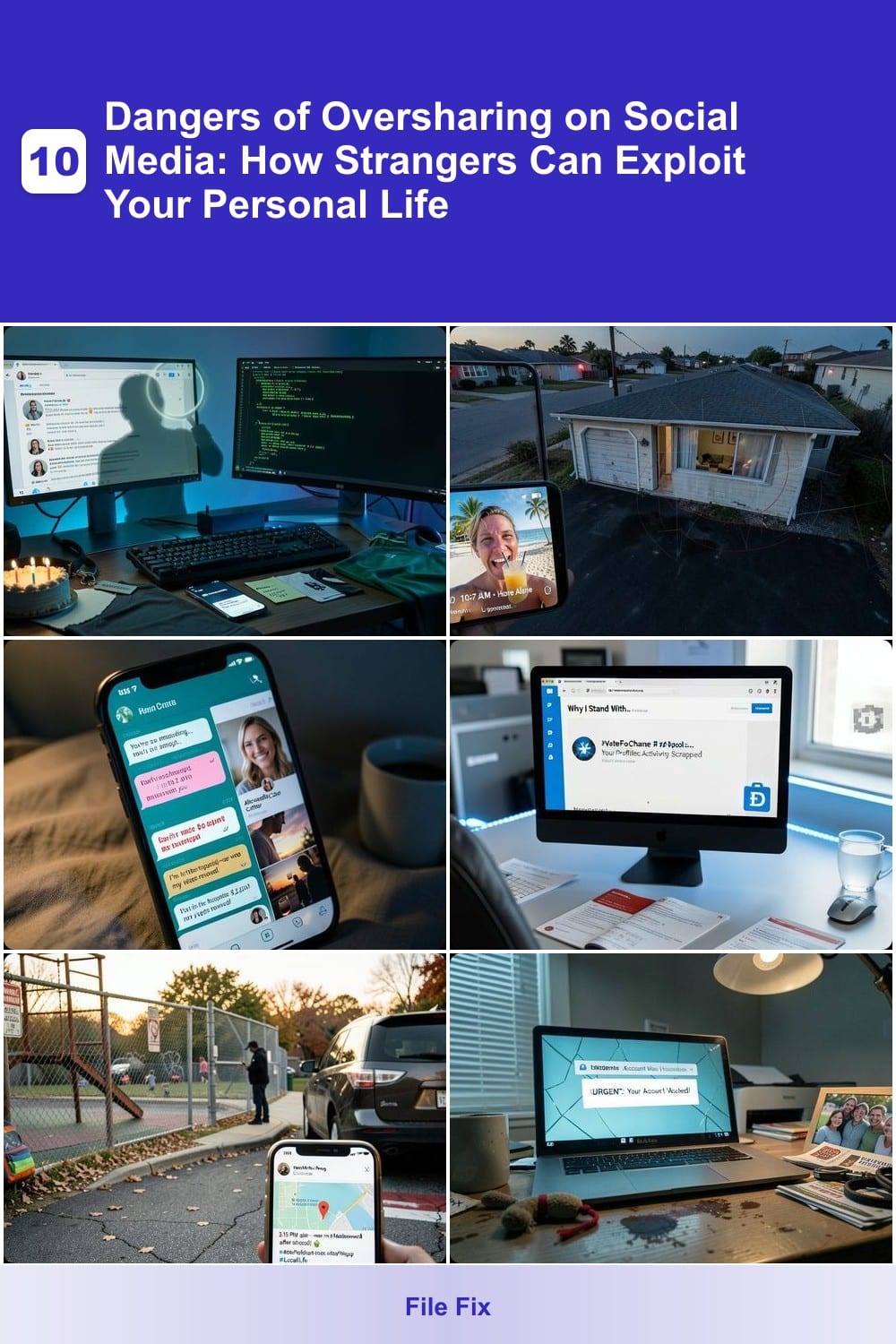
Think your social media profile is just for friends and family? Criminals actively scour public posts to steal your identity—using birthdays, pet names, and even your favorite sports team as answers to security questions.
With just a few details from your profile, fraudsters can bypass two-factor authentication, hijack your bank accounts, or drain your email for phishing attacks. A 2023 study found that 60% of identity theft cases start with publicly available personal data from social media. Even "private" posts can be scraped by bots if you’ve ever shared location tags or tagged friends.
This risk hits everyone hardest—especially those who use security questions tied to personal details. A simple fix? Audit your profiles now and disable public birthdays, pet names, or hometowns from your settings. 💻
Home invasion from vacation photos
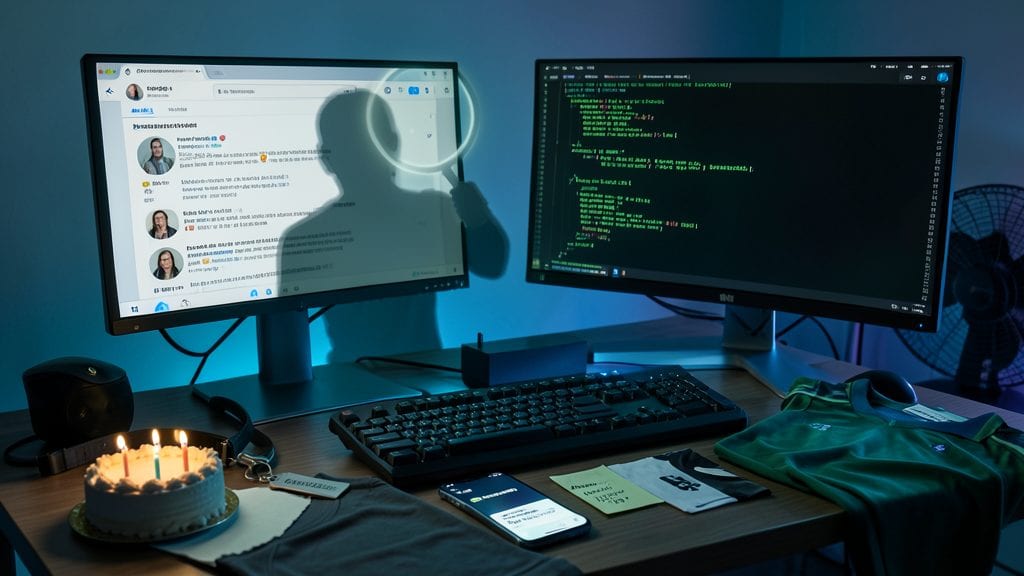
A single vacation photo with a geotag can turn your empty home into a target. Burglars don’t just guess—they use your Instagram or Facebook posts to scout locations, especially when you share real-time check-ins or "home alone" updates with precise coordinates.
Platforms like Facebook and Instagram default to sharing location data unless manually disabled. A study by the FBI found that 30% of home burglaries involve offenders using social media to identify vacant properties. Even "private" posts can be scraped by criminals or sold on dark web forums for as little as $5 per target.
This risk isn’t just for celebrities—suburban homes with no visible security cameras are prime targets. Before your next trip, disable geotags, delay posts, and use trusted friends to water plants instead of broadcasting your absence. 💻
Catfishing and online scams
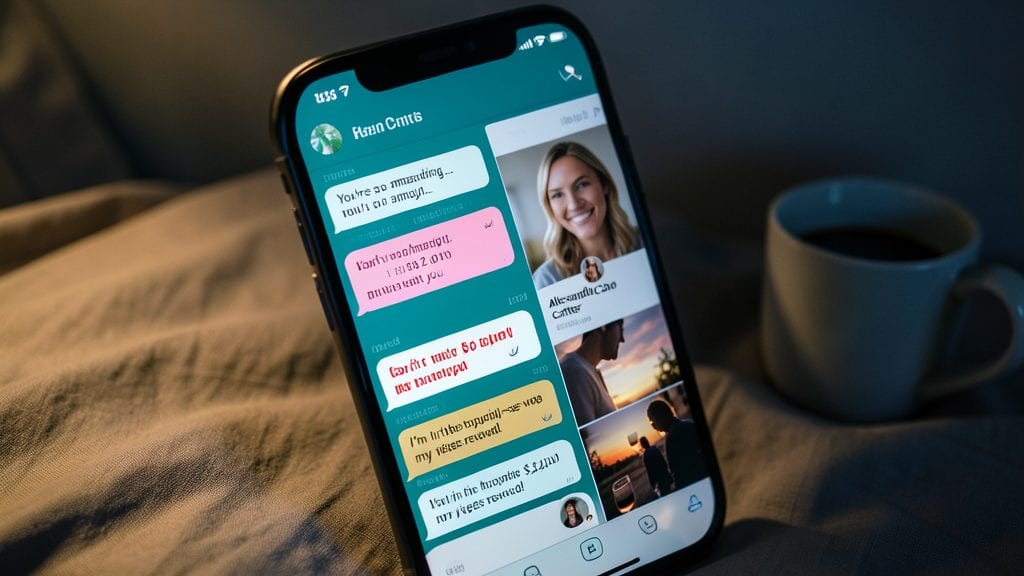
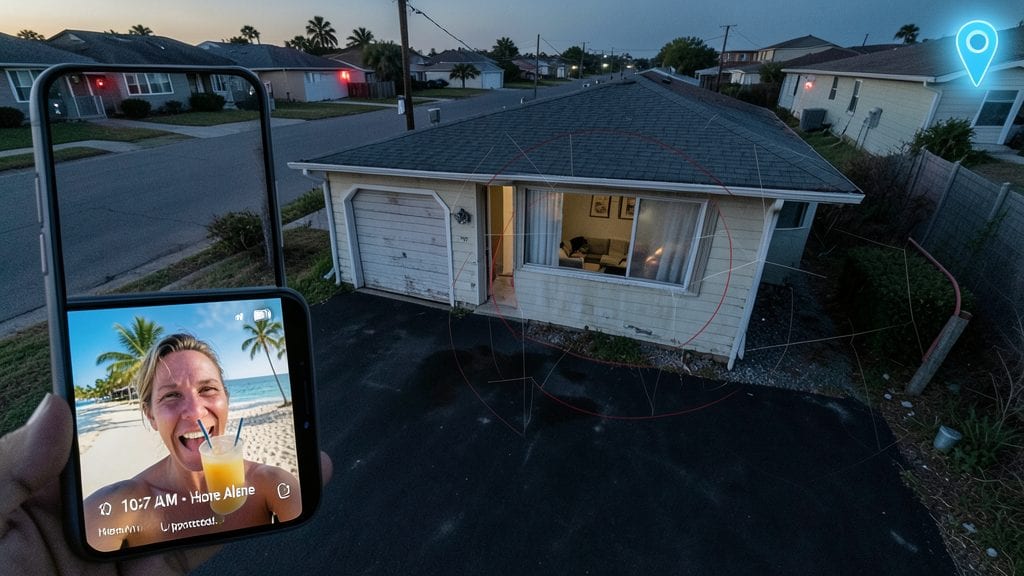
That flirty DM or heartfelt post about your love life might seem harmless, but it’s a golden ticket for scammers running fake romance scams. These predators spend weeks or months crafting fake identities, mirroring your interests, and building trust—only to later demand money for "emergencies" or blackmail you with stolen photos.
The FBI reports $1.3 billion lost in 2023 alone to romance scams, with victims often too embarrassed to report it. Scammers exploit details like your hobbies, job, or even pet’s name to make their fake personas feel real. Once they’ve hooked you, they’ll invent crises—medical bills, travel costs, or "investment opportunities"—that only you can "help" with. Worse, some steal compromising photos or videos during video calls, then threaten to leak them unless you pay.
This isn’t just about dating apps—scammers lurk on Facebook, Instagram, and even gaming forums. If someone you’ve never met in person starts asking for money or gifts, it’s a red flag. Trust your gut, and never send money or personal details to someone you haven’t verified in real life. ⚡
Workplace discrimination from career posts
That LinkedIn post you shared about your political views might seem like a harmless expression of opinion—but HR departments and recruiters actively monitor these details. Even if your account is set to private, third-party data brokers can scrape and sell your activity to employers, creating a digital trail that could cost you promotions or job opportunities.
Companies like Bright.com and HireRight aggregate social media data to assess cultural fit, and studies show 60% of recruiters have rejected candidates based on controversial posts. A single religious or political comment can trigger automated screening tools that flag you as a risk—even if you’ve never discussed it in interviews. The irony? Many platforms’ privacy settings are misleadingly labeled, leaving your profile more exposed than you think.
Job seekers in conservative or progressive industries face the highest risks, but even neutral posts (like charity work tied to specific causes) can raise red flags. Always review employer policies before posting—some companies conduct surprise social media audits during hiring. ✨
Stalking and harassment risks
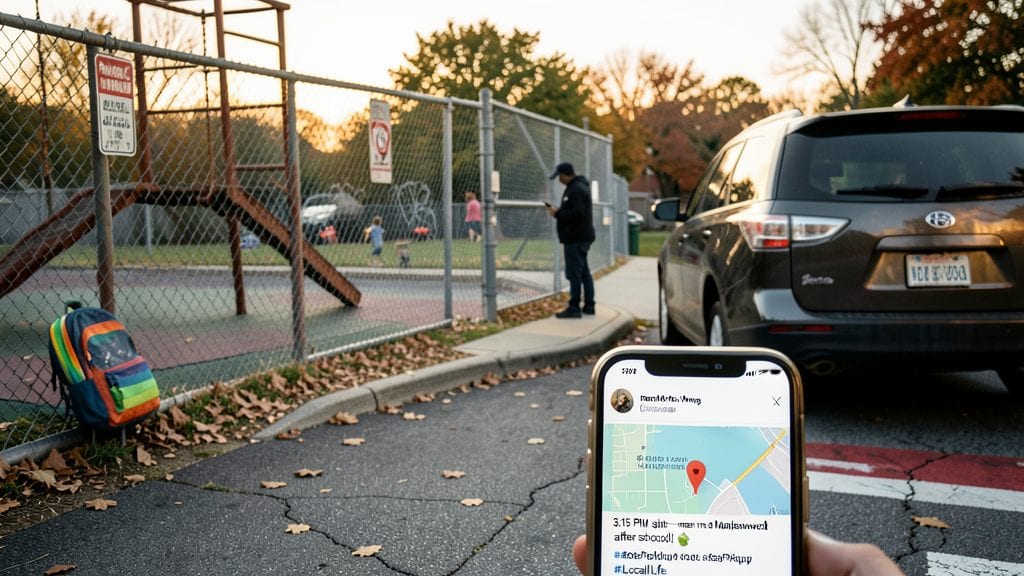
One seemingly harmless post about your child’s school pickup time or a check-in at a local park could turn into a stalker’s roadmap. Predators actively scour social media for these details to track your movements, lurk near your home, or even target your kids after school.
Platforms like Facebook and Instagram make it easy to share real-time locations—even with "friends only" settings—but a single slip can expose patterns. For example, posting about your daily gym route or your child’s extracurricular activities gives strangers the exact times and places to strike. Criminals also use school names in posts to identify neighborhoods, making your home address guessable through public records.
Parents and solo travelers should treat location sharing like an open door—once it’s out there, it’s nearly impossible to take back. Always disable check-ins, blur location data, and ask yourself: Would I share this with a stranger? 💡
Phishing attacks using personal details
Ever received an email claiming your "account was hacked" or that a "family member needed urgent help"? These aren’t random scams—they’re hyper-personalized phishing attacks using details from your social media. Scammers dig through your posts to mention your dog’s name, your favorite sports team, or even recent life events to make their fake messages feel urgent and real.
These attacks often include fake login pages that mimic trusted services, tricking you into entering credentials. A 2023 study found that 90% of successful phishing attempts rely on personal details to bypass skepticism. Even a seemingly harmless post about your child’s school event or anniversary plans can be weaponized to craft convincing scams.
Small business owners, parents, and frequent travelers are especially vulnerable. Always verify sender addresses, avoid clicking links in unsolicited messages, and enable two-factor authentication to add an extra layer of security. ⚡
Insurance fraud from medical posts
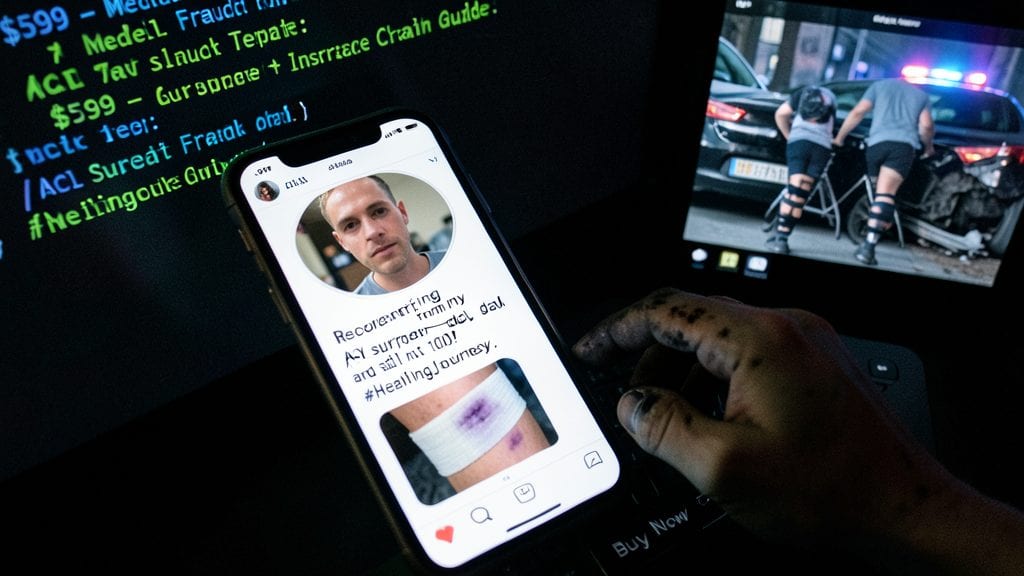
That post about your recent knee surgery or chronic back pain might seem like a harmless update—but it could be a fraudster’s roadmap. Criminals scour social media for medical details to stage fake accidents, file false insurance claims, or even sell your history on the dark web for $500+ per record.
One real case involved a woman whose public Facebook post about a broken arm led to a scammer filing a worker’s comp claim in her name, using her exact medical terminology. Even "private" posts can leak through data breaches or screenshots. Fraudsters exploit vague details like "physical therapy" or "recovery timelines to fabricate injuries.
If you’ve ever shared health updates, run a reverse image search on your posts—someone may already be using them. Consider deleting old medical posts and enabling two-factor authentication on health-related accounts. Your privacy matters more than likes. ⚡
Blackmail through compromising photos
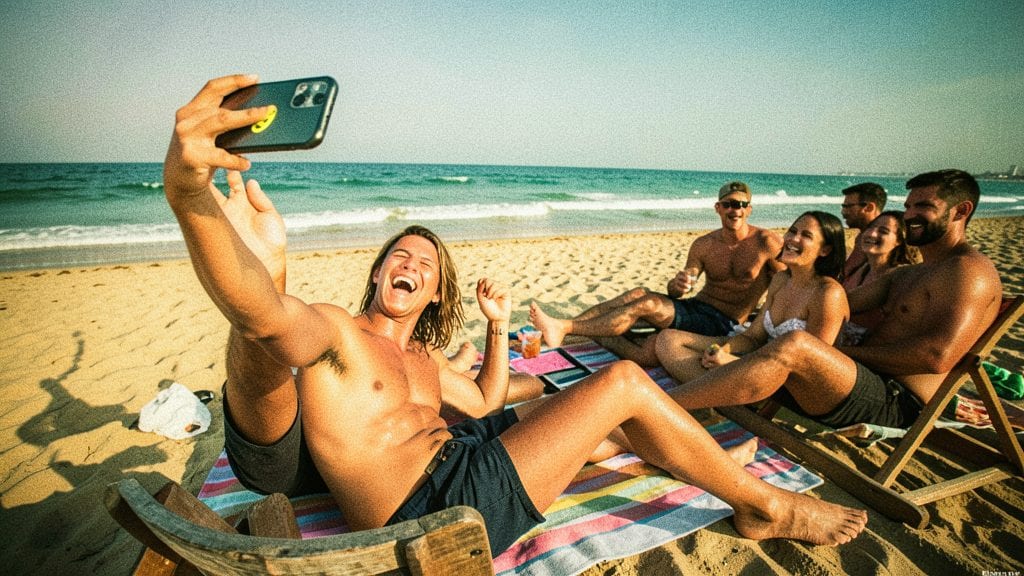
That beach vacation selfie or party group shot you posted last year might seem harmless—but hackers can turn it into a weapon. Cybercriminals often scrape public photos from social media, then use them to demand ransom payments under threat of leaking private moments to friends, family, or even employers.
These attacks often start with data breaches from third-party apps or compromised accounts. Once they gain access, hackers reverse-image search your photos to find personal details, then threaten exposure unless you pay. Even "private" posts can be vulnerable if your account is hacked or if metadata (like geotags or EXIF data) reveals sensitive locations.
This risk isn’t just for celebrities—anyone with publicly visible photos is at risk. If you’ve ever posted unfiltered moments, take stock: audit your old posts, disable geotagging, and use strong, unique passwords to lock down accounts. 💻
Financial loss from routine updates
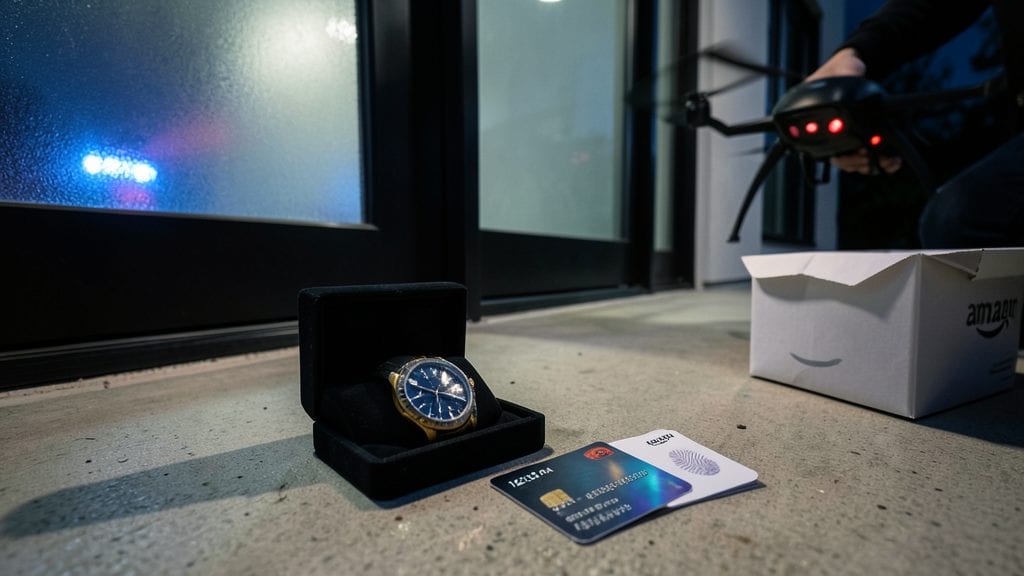
That new credit card you’re excited to share? Or the luxury watch you just unboxed? Posting these updates in real-time can turn your social media into a thief’s treasure map. Criminals monitor public posts to intercept deliveries, clone cards, or drain accounts before you even arrive home.
For example, a 2023 FBI report revealed a 40% spike in credit card fraud linked to social media bragging. Thieves use geotagged posts to track your location, then call banks to reset passwords or redirect shipments to safe houses. Even "private" posts can be scraped by bots—once your info is out there, it’s nearly impossible to recall.
This risk isn’t just for high-net-worth individuals. Small purchases, like a new phone or gift cards, are prime targets for account takeovers. Wait 24 hours before posting updates, and enable transaction alerts on financial apps to spot fraud early. 💻
Legal consequences from sensitive posts
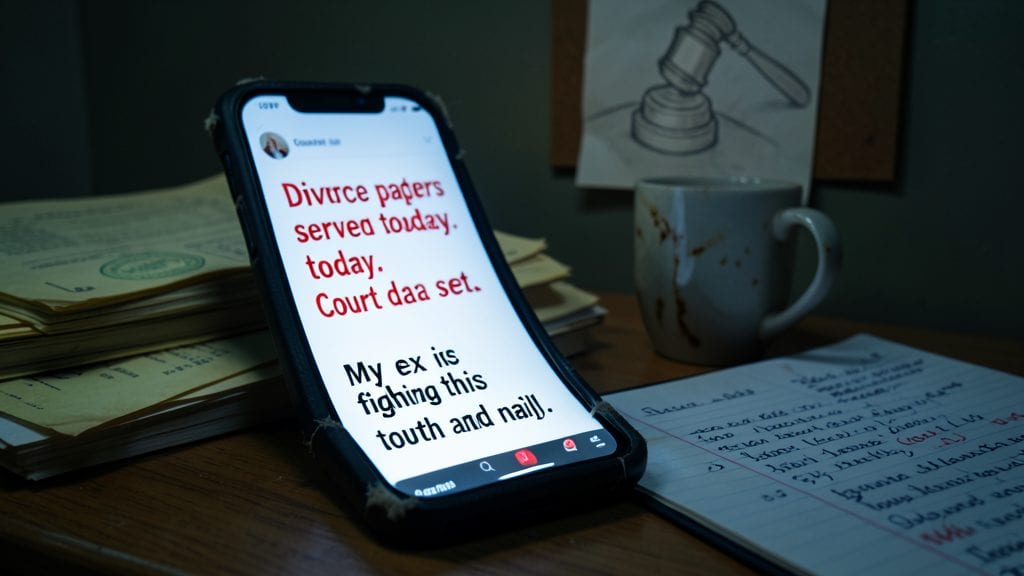
That one post about your pending divorce or ongoing lawsuit might seem like catharsis—but it could land you in court. Lawyers, opposing parties, or even disgruntled exes can use your social media history as evidence, turning your digital diary into a legal liability. Even seemingly harmless political rants can trigger workplace investigations or defamation lawsuits.
Courts have ruled that posts about medical conditions (like mental health struggles) can be subpoenaed in custody battles, while workplace complaints posted publicly have led to wrongful termination lawsuits. One wrong tweet could even trigger a criminal investigation if authorities interpret it as a threat or incitement. Platforms like LinkedIn and Facebook have faced lawsuits over users’ posts being misused in hiring or legal disputes.
If you’re dealing with sensitive issues, assume everything is public forever. Consult a lawyer before posting, and use private messaging or encrypted apps for discussions. Your future self will thank you. 💡